Looking for a place that feels grounded and neighborly without giving up access to the wider Dallas-Fort Worth area? Roanoke stands out for exactly that balance. You get a compact historic downtown, a full calendar of community events, and easy connections to major highways, airports, and job centers. If you want a closer look at why Roanoke appeals to buyers who want both character and convenience, let’s dive in.
Why Roanoke Feels Like a Small Town
Roanoke is physically small, and that matters to how the city lives day to day. The city covers about 6 square miles, and the U.S. Census Bureau estimated the population at 10,895 in 2024, up from 9,665 in 2020. That smaller footprint helps create a more connected, easy-to-navigate feel than you might expect in a major metro area.
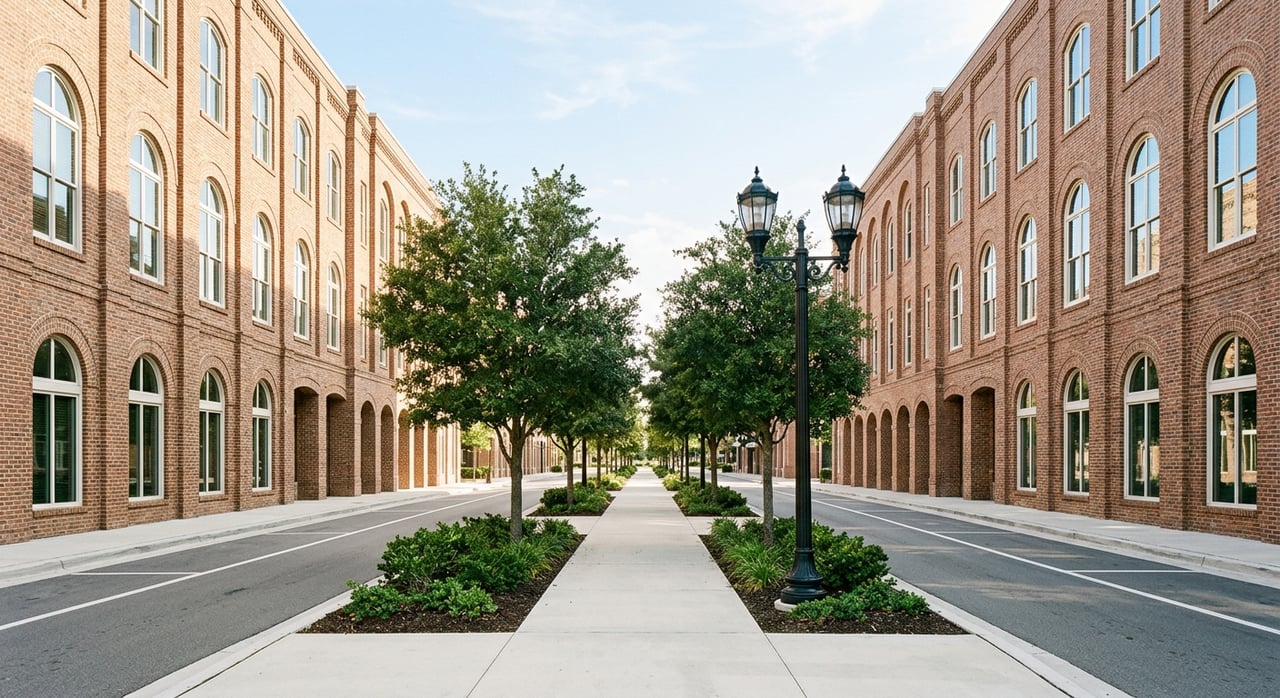
The city also has a defined center, which gives it a stronger sense of place. Historic Downtown Roanoke is centered on Oak Street, where the city says a nine-block downtown streetscape has been restored with landscaped sidewalks and Austin Street Plaza as a gathering spot. Instead of feeling spread out, the heart of town feels clear and intentional.
Another part of Roanoke’s identity is its history. The Rock Building, which dates to around 1886 and once housed the Silver Spur Saloon, is now home to the Visitor Center and Museum. The downtown district is also listed on the National Register of Historic Places, which reinforces the city’s long-established character.
Downtown Roanoke Adds Daily Charm
A lot of suburbs have restaurants and retail, but Roanoke’s downtown gives those amenities a more walkable and social setting. The city highlights Oak Street as a central gathering area, and the public spaces there help support a true town-center atmosphere. That can make everyday outings feel a little more personal and a little less routine.
The Visitor Center and Museum also add to that experience. Located at 114 N. Oak Street in the historic Silver Spur building, it offers free admission according to the city. Features like that help downtown feel active and civic, not just commercial.
If you are comparing Roanoke with other DFW suburbs, this compact downtown core is one of the biggest differences. It is not just a name on a map. It is a real focal point for events, dining, and local identity.
Dining Is a Big Part of Roanoke’s Identity
Roanoke has built a strong public identity around dining. The city says it was officially named by the Texas House of Representatives as “The Unique Dining Capital of Texas” and reports more than 60 unique eateries. For buyers, that means you can enjoy a wider range of dining options than you might expect in a city of this size.
That restaurant base supports more than convenience. It helps create activity in and around downtown and gives residents plenty of options for casual meals, date nights, and meeting up with friends. In practical terms, it adds lifestyle value that goes beyond square footage alone.
For many buyers, this is part of what makes Roanoke feel distinct. You get the comfort of a smaller city, but with a dining scene that feels more robust than the population size might suggest. That combination can be especially appealing if you want local flavor without a long drive.
Community Events Strengthen the Local Feel
Roanoke’s calendar plays a big role in preserving its small-town atmosphere. The city lists recurring events such as Celebrate Roanoke, Evenings on Oak Street, Eggapalooza, Hometown Holiday, the July 3rd All American Fireworks & Festival, Taste and Tunes on Oak Street, Trick or Treat on Oak St., and the Veterans Day Ceremony. A steady lineup like that helps create regular touchpoints for community life.
The city also operates a year-round farmers market every Sunday from 10:00 a.m. to 2:00 p.m. at Roanoke City Hall Plaza. That kind of recurring event gives residents another way to spend time locally and support a more connected rhythm of daily life. It is a simple feature, but it often matters to people who want a town with visible community activity.
If your goal is to find a place where there is always something going on close to home, Roanoke checks that box. The events are part of what keeps the city feeling lively without losing its approachable scale.
Big-City Access Is Part of the Appeal
Roanoke’s location is one of its biggest practical strengths. Downtown sits at Highway 114 and Highway 377, just a couple of miles east of Interstate 35W and the Texas Motor Speedway. That road access helps connect you to major destinations across the region without making home feel overly urban.
According to the city, Roanoke is about 15 miles from Dallas Fort Worth International Airport, 23 miles north of Fort Worth, 30 miles west of Dallas, 4 miles east of Texas Motor Speedway, and 5 miles from Alliance Airport. Those published distances help explain why Roanoke works well for people who want regional mobility. You can stay connected to airport access, employment centers, and major travel routes while living in a smaller city setting.
For relocators and daily commuters, that balance can be a major advantage. Roanoke gives you a residential base that feels more intimate, while still keeping major DFW destinations within reach.
What Buyers Should Know About Housing
Roanoke’s housing patterns are shaped by local zoning and subdivision planning, not one single citywide formula. The city’s planning department oversees zoning, platting, land use, tree preservation, and the comprehensive plan. That means home styles, lot sizes, and neighborhood layouts can vary depending on the district or specific development.
Detached single-family housing remains central to the city’s zoning framework. At the same time, Roanoke also allows other housing types in certain districts, including single-family townhouses, zero-lot or patio homes, duplexes, triplexes, quadplexes, apartments, and some manufactured-housing categories. If you are home shopping here, it helps to look at each subdivision on its own terms rather than assume every area follows the same pattern.
Lot size is also more specific to the development than to the city as a whole. One planned development district allows detached single-family homes on lots of at least 5,000 square feet, with a minimum width of 50 feet and minimum depth of 100 feet. The bigger takeaway is simple: if lot size is important to you, it is worth reviewing the details of each neighborhood carefully.
Roanoke Offers Lifestyle Value
Roanoke is not necessarily a bargain market, and that is important context for buyers. The Census Bureau’s 2020 to 2024 ACS profile places the median owner-occupied home value at $466,900. Median monthly owner costs with a mortgage were reported at $2,855, while median gross rent was $1,783.
Those numbers suggest that buyers in Roanoke are often paying for a mix of location, housing quality, and lifestyle benefits. You are buying into access, a recognizable downtown, a strong dining identity, and a city that has continued to grow within a relatively small footprint. For some buyers, that combination can feel more valuable than simply chasing the lowest price point in the metro.
Roanoke’s growth also adds context. With the population rising from 9,665 in 2020 to an estimated 10,895 in 2024, the city has seen continued demand. In a compact city, that kind of growth can shape how buyers think about competition, future development, and long-term appeal.
Who Roanoke May Fit Best
Roanoke can make sense for several types of buyers. If you want a home base that feels more personal than a larger suburb, the city’s defined downtown and event calendar may stand out right away. If your work or travel takes you across DFW, the highway and airport access may matter just as much.
It can also appeal to buyers who want a suburban setting with a little more built-in character. The combination of historic downtown, local events, and a strong restaurant scene creates a lifestyle that feels more layered than a typical drive-everywhere suburb. That is often what gives Roanoke its staying power with both local movers and people relocating into the area.
If you are thinking about buying or selling in Roanoke, the details matter. Neighborhood patterns, lot sizes, pricing, and location advantages can vary from one part of the city to another. For local guidance backed by proven marketing and real DFW experience, connect with The Kinn Team.
FAQs
What makes Roanoke, TX feel like a small town?
- Roanoke has a compact footprint of about 6 square miles, a defined nine-block historic downtown on Oak Street, a central plaza, a historic museum building, and recurring community events that reinforce a town-center feel.
How accessible is Roanoke, TX for commuting around DFW?
- Roanoke sits at Highway 114 and Highway 377 near Interstate 35W, and the city says it is about 15 miles from DFW Airport, 23 miles north of Fort Worth, 30 miles west of Dallas, and 5 miles from Alliance Airport.
What is Historic Downtown Roanoke like?
- Historic Downtown Roanoke is a restored nine-block district with landscaped sidewalks, Austin Street Plaza, dining, events, and the Rock Building, which houses the Visitor Center and Museum.
What types of homes are common in Roanoke, TX?
- Detached single-family homes are central to Roanoke’s zoning framework, though the city also allows townhouses, patio homes, duplexes, triplexes, quadplexes, apartments, and some other housing types in certain districts.
Is Roanoke, TX known for restaurants and events?
- Yes. The city says Roanoke was officially named “The Unique Dining Capital of Texas,” has more than 60 unique eateries, and hosts events throughout the year plus a Sunday farmers market at City Hall Plaza.