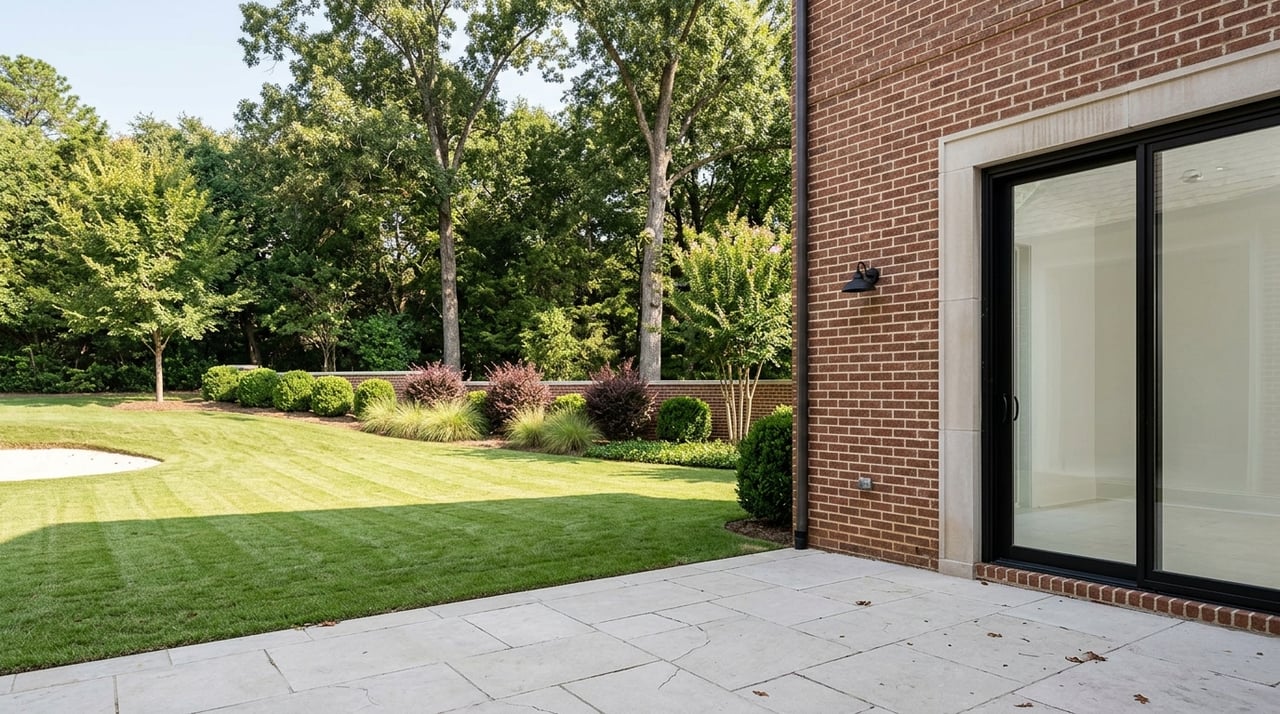
Wondering if a golf-course home in Trophy Club is worth the premium? You are not alone. Buying along the fairway can offer beautiful views and a strong sense of place, but it also comes with rules, tradeoffs, and market nuances that are easy to miss if you only look at the listing photos. This guide will help you understand what course living really means in Trophy Club, what to verify before you buy, and how to compare homes more confidently. Let’s dive in.
Why Trophy Club attracts course-home buyers
Trophy Club was designed around golf in a way few North Texas communities can match. The town describes itself as Texas’s first master-planned community, with 36 holes of golf winding through neighborhoods and wooded areas. That layout gives many buyers a chance to find homes that are on the course, near the course, or shaped by the golf setting in everyday life.
At the center of that identity is Trophy Club Country Club, which includes two 18-hole championship courses. The club identifies the Hogan Course as Ben Hogan’s only golf-course design, and the Whitworth Course as a second championship layout named for Kathy Whitworth. For buyers who want a recognizable golf address, that history is part of the appeal.
Still, it is important to separate the look and feel of course living from club privileges. Trophy Club Country Club is a private club, and owning a nearby home does not automatically give you full access. The town notes that some club events may be open to the public, but membership benefits depend on the membership category.
Know what “on the course” means
One of the biggest mistakes buyers make is treating all golf-related homes as the same product. In reality, golf-front, golf-view, and golf-adjacent can mean very different things in both lifestyle and value. A home directly on the fairway may have a stronger view and a different privacy profile than a home one or two streets away.
Research on golf-course real estate supports that distinction. A review of 21 golf-course studies found that frontage is too broad to treat as one uniform category, and premiums can fall off quickly even a short distance away. For you as a buyer, that means the exact lot position matters more than broad marketing language.
When you tour homes in Trophy Club, ask direct questions about the lot. Is the yard directly on a fairway? Does it overlook open golf space from a distance? Or is it simply close to the course without a meaningful view? Those differences can affect how you live in the home now and how future buyers may see it later.
Understand HOA layers before you commit
In Trophy Club, course-area living often comes with neighborhood-specific governance. That can be especially important in enclaves such as Hogan’s Glen, where the HOA describes the neighborhood as a gated community next to the Ben Hogan-designed championship course. The HOA also references items like ACC requests for exterior changes, gate-access forms, online dues payments, and a posted 20 mph speed reminder.
That local example shows why buyers should look beyond the listing details. A course-adjacent home may sit inside a separate HOA with its own architectural rules, dues, review process, and community procedures. Another Trophy Club HOA page also describes a west-side neighborhood with 339 homes built from 1998 to 2002 on roughly .15 to .35 acre lots, plus trails, a pool, and the country club nearby, which reinforces how much neighborhood structure can vary inside the same town.
Under Texas practice, you should not rely on MLS remarks alone to understand HOA obligations. TREC says HOAs governed by Chapter 209 must file management certificates in a public database, and buyers who need governing documents or a resale certificate can request them through the HOA or county clerk if they are not available online. TREC also notes that it does not regulate HOA behavior, which makes your document review even more important.
Daily life on a Trophy Club fairway lot
Course living is about more than a backyard view. In Trophy Club, it can also shape how you manage your exterior, parking, and even how you get around the neighborhood. The town actively enforces property maintenance and local code standards, which matters if you want a low-friction ownership experience.
The town says grass and weeds may not exceed 12 inches, lawns must be maintained to the edge of the roadway, and fences must be kept in sound condition. If you are planning a new street-facing fence, the town requires a permit and the smooth side must face the street. For buyers considering privacy upgrades or backyard changes, those details should be part of your planning before closing.
Vehicle storage can also matter more than buyers expect. Trophy Club limits where boats, trailers, and large vehicles can be kept unless they are screened behind a solid fence or stored in a garage. If you need side-yard storage, extra screening, or a more private outdoor setup, verify how both town rules and your neighborhood HOA affect those options.
The town also puts visible emphasis on community appearance. It prioritizes medians and landscaping citywide, uses water conservation to guide future planting, and adds seasonal color twice a year. That helps explain why many buyers are drawn to Trophy Club’s polished, master-planned feel, but it also signals that upkeep standards are taken seriously.
Golf carts are part of the lifestyle
In Trophy Club, golf carts are part of the local rhythm, but they are regulated vehicles, not informal neighborhood toys. The town says carts are not currently required to be registered locally, but drivers must have a valid license and be at least 16 years old. Carts also must include standard equipment and may only be used on roads with posted speeds of 35 mph or less.
There are also specific safety and parking rules to know. The town states that children under 14 must be secured by a safety belt under a 2026 update. It also bans overnight street parking between 3 a.m. and 5 a.m., with limited temporary permissions and permit-based exceptions.
If a golf cart is part of how you picture daily life, confirm that the home and neighborhood support that routine. Think about where you will store the cart, how you will access approved roads, and whether street-parking rules could affect guests or overflow vehicles.
Pricing needs local comps, not guesses
Golf-course premiums are real in some markets, but they are not automatic or consistent. Research cited in the report shows that one study found building on a golf course could add about 7% to 8% in some settings, while another found no significant price impact in a private barrier-island development. The broader takeaway is simple: there is no universal golf-lot percentage you can safely apply to every home in Trophy Club.
That is especially true in an already higher-priced market. Spring 2026 public market trackers place Trophy Club in the upper suburban tier, but they measure different things. Zillow reported an average Trophy Club home value of $701,041 as of March 31, 2026, Redfin reported a median sale price of $847,500 in March 2026, and Realtor.com reported a median listing price of $879,900 in April 2026.
Those numbers are useful for context, but not for pricing a specific lot. A fairway home with a wide open view, mature trees, and stronger privacy may perform differently than a nearby property with less usable yard space or more exposure. The right adjustment should come from local comparable sales, not a generic golf-course rule of thumb.
Questions to ask before you buy
When you are comparing golf-oriented homes in Trophy Club, a focused checklist can save you from surprises later. The right questions can help you separate a truly special lot from one that only sounds similar in the marketing.
Start with these essentials:
- Is the property truly golf-front, or just golf-view or golf-adjacent?
- Which HOA or ACC governs the home?
- Is club membership separate from ownership?
- How do fence, landscaping, parking, and golf-cart rules apply to this address?
- Are there any easements, drainage features, or course-maintenance issues that could affect privacy or future resale?
These questions matter because Trophy Club’s neighborhoods can have layered rules, and the town actively enforces standards on carts, fences, grass, and parking. Verifying those items early can help you buy with more clarity and fewer regrets.
What smart buyers focus on
The best Trophy Club course-home purchases usually come down to fit, not just prestige. You want a home that matches how you actually live, whether that means a stronger view, more privacy, easier exterior maintenance, or simpler HOA expectations. A beautiful fairway lot is only a win if the full ownership picture works for you.
It also helps to think ahead to resale. Buyers in this segment tend to pay close attention to view quality, outdoor usability, neighborhood rules, and whether a property’s golf connection feels direct and meaningful. Clear positioning now can support stronger marketability later.
If you are exploring course living in Trophy Club, the goal is not just to find a home near golf. It is to understand exactly what you are buying, how it will function day to day, and whether the lot carries the kind of long-term appeal that holds up in a competitive market.
When you are ready to compare golf-course homes in Trophy Club with a local, data-driven strategy, connect with The Kinn Team for clear guidance and expert support.
FAQs
What does golf-front mean for a Trophy Club home?
- A golf-front home is typically directly along the course, while golf-view or golf-adjacent homes may be nearby without sitting right on the fairway.
Does buying near Trophy Club Country Club include club membership?
- No. The research report states that Trophy Club Country Club is a private club, and ownership near the course does not automatically provide full club access.
Why do HOA documents matter for Trophy Club golf homes?
- Course-area homes may be governed by separate neighborhood associations with their own rules on architecture, dues, approvals, and access, so buyers should confirm the exact governing documents before closing.
What local rules affect daily life in Trophy Club?
- The town enforces rules on grass height, fence condition, certain fence permitting, parking, golf-cart use, and where boats, trailers, and large vehicles may be stored.
How should buyers estimate a golf-course premium in Trophy Club?
- Buyers should use local comparable sales for the specific lot type and location, because research shows golf-course premiums vary widely and are not consistent across all properties.