Looking for a home with real character, but worried that "historic" might also mean complicated? In Grapevine, that tension is part of the appeal. You get the charm of older homes and a walkable downtown, plus the convenience of rail access and close proximity to DFW Airport. If you are thinking about buying in historic Grapevine, here is what to know before you make an offer. Let’s dive in.
Why historic Grapevine stands out
Grapevine’s historic core has been the center of the community for more than 100 years. The city’s preservation program includes the Historic Township District, five local historic districts, and individual residential and commercial historic landmarks.
That matters because buying here is not just about square footage or finishes. You are often buying into a home with architectural character, established surroundings, and a preservation framework that helps guide how exterior changes are handled over time.
What "historic" means for buyers
One of the first things to ask is whether a home has local historic designation or is only listed on the National Register. In Grapevine, that distinction is important.
The city explains that National Register properties do not go through exterior review unless the owner is pursuing historic tax credits. Local historic districts and landmarks, on the other hand, do require city review for many exterior changes.
Local district vs. National Register
If a property is in a local historic district or is a local landmark, exterior alterations generally require a Certificate of Appropriateness, often called a COA. That review process can apply to items such as paint colors, doors, windows, siding, light fixtures, landscaping, demolition, and new construction.
If a property is only on the National Register, that exterior review generally does not apply unless tax credits are involved. For a buyer, this can affect both your renovation plans and your project timeline.
How the review process works
The good news is that not every project turns into a long approval process. Grapevine notes that many routine modifications can be approved by staff within a few days.
More significant projects may go before the monthly Historic Preservation Commission. For properties in Historic Grapevine Township and for landmark properties, a documented pre-construction meeting is required before a building permit is issued, and the building permit is handled separately from the COA.
Free city guidance can help
If you are considering a historic home, ask questions early. Grapevine offers no-cost preservation staff help, which can be especially useful before closing if you want to understand what changes may be possible.
That kind of clarity can help you avoid buying a home that does not fit your timeline, budget, or renovation goals. It can also help you plan smart updates from day one.
Architectural styles you may see
Historic Grapevine is not a one-style market. The city’s design guidelines describe a layered mix of home types and eras, especially around areas like College Street.
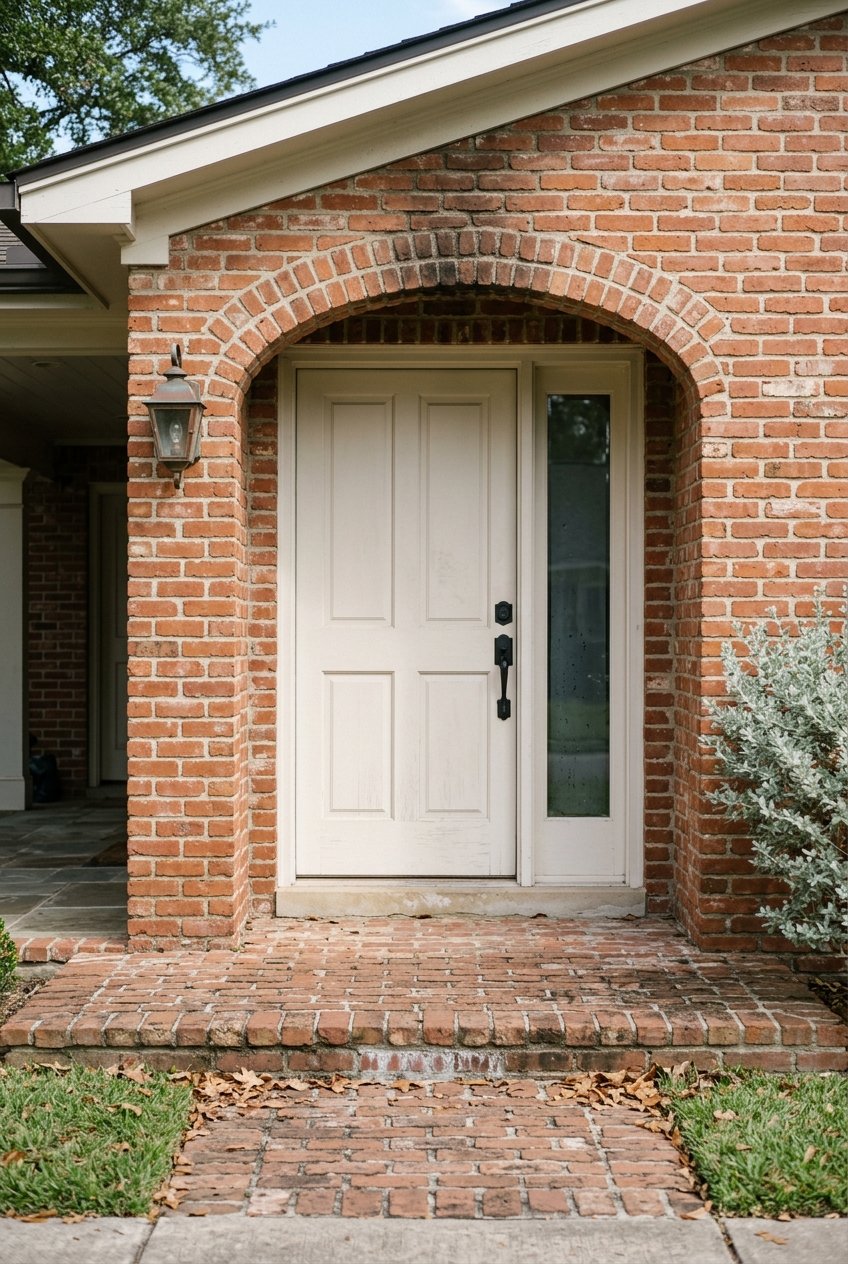
You may see late-19th-century Queen Anne homes, Prairie and Arts and Crafts-era houses, vernacular bungalows, pre- and post-World War II cottages, and 1950s to 1960s ranch homes. Materials commonly include wood, brick, and stone, with varied rooflines and porch styles.
Character often matters more than uniformity
This variety is part of what makes the area appealing. You are not walking into a neighborhood where every house looks the same.
It also means remodeling decisions are often less about chasing a perfect historical look and more about preserving the features that give the home its identity. In Grapevine, the guidelines are recommendations rather than rigid rules, and they do not require a home to be restored to a single historical period or style.
What updates are common in older Grapevine homes
For many buyers, the practical reality of a historic or older home is simple: systems and maintenance matter. In Grapevine, preservation guidance favors repair first and replacement second when possible, especially for original materials and character-defining features.
That can include doors, windows, siding, roofs, structural systems, and decorative details. So instead of a full cosmetic makeover, your first projects may be more about comfort, efficiency, and protecting the home.
Focus on function first
Common update priorities in older homes often include:
- Windows and weather-sealing
- Insulation and air sealing
- Roofing
- Drainage and moisture control
- Mechanical systems
Older homes may have less insulation than newer ones, so it is wise to evaluate insulation and air sealing together. Window improvements may not always mean full replacement either. Repair, weatherstripping, and storm-window style solutions can sometimes improve performance while keeping original character in place.
Lifestyle perks: walkability, transit, and airport access
Historic Grapevine is not just about architecture. It also offers a lifestyle that many buyers want but struggle to find in a suburban setting.
Grapevine’s official tourism materials describe a walkable Main Street with shops, cafes, winery tasting rooms, galleries, the Historic Palace Theatre, the Grapevine Vintage Railroad, and year-round attractions within a compact area. If you like the idea of being able to park the car and explore on foot, this is a real draw.
Convenient transit options
Transit adds another layer of convenience. The city says TEXRail is a 27-mile commuter rail line with nine stations, including two in Grapevine.
The city also notes that the Grapevine Visitors Shuttle connects hotels, DFW Airport, the Main Street Historic District, restaurants, and Grapevine Mills. For buyers who commute, travel often, or host out-of-town guests, those options can make daily life easier.
Close to DFW Airport
Airport access is a major part of Grapevine’s appeal. DFW Airport states that the airport sits within the boundaries of Grapevine and other host cities, and Grapevine describes itself as the airport’s host city.
That proximity can be a huge advantage if you travel often or want fast regional access. It is one of the reasons Grapevine can feel both charming and highly connected at the same time.
What to ask before you buy
When you tour an older home in historic Grapevine, the right questions can save you time and money later. You want to understand not just the home’s appearance, but also how it has been maintained and what rules may affect future changes.
Here are some smart questions to bring up during showings and due diligence.
Questions for the seller or listing agent
Ask:
- Is the property in a local historic district, a landmark designation, or only on the National Register?
- Which exterior features are original?
- Were any additions, window replacements, siding updates, or paint changes made?
- If exterior work was done, was city approval required and obtained?
- Are there any upcoming projects the current owner planned but did not complete?
These questions help you understand both preservation requirements and the home’s update history.
Questions for your inspection period
A detailed home inspection is especially important with older homes. During that process, focus closely on:
- Roof condition
- Drainage around the home
- Foundation movement
- Moisture intrusion
- Window condition
- Insulation levels
- Mechanical systems
These are the areas most likely to affect your future repair budget. A qualified inspector can help you separate normal age from more urgent issues tied to safety, security, and soundness.
Lead paint matters in older homes
If the home was built before 1978, lead-based paint should be part of your planning. Buyers of pre-1978 homes should expect lead disclosures.
If you plan renovations, make sure any contractor handling that work is certified for lead-safe practices. This is an important step for budgeting and for choosing the right professionals.
How to budget for a historic home purchase
Buying a historic or older home usually means budgeting beyond the purchase price. That does not mean the home is a bad investment. It just means your budget should reflect how these homes are typically updated and reviewed.
A smart budget often includes room for inspection findings, phased repairs, efficiency improvements, and possible historic review timing for exterior projects.
Build in time as well as money
In Grapevine, COA approval does not replace a building permit. If your future plans include exterior work, be prepared for both review and permit steps.
Some projects move quickly, while others take longer depending on scope. Your timeline should account for that, especially if you hope to renovate soon after closing.
Ask about possible grant support
The city notes that some owner-occupied homes in the Township area may qualify for a 2-to-1 matching grant of up to $10,000 for exterior revitalization. A smaller grant may also be available for residential rentals.
That does not apply to every property, but it is worth exploring if you are buying in the right area. It is another reason to speak with preservation staff before finalizing your plans.
How to know if historic Grapevine fits you
Historic Grapevine can be a great fit if you value character, enjoy walkability, and are comfortable taking a thoughtful approach to updates. The best match is usually the home whose condition, preservation requirements, and future project list line up with your budget and timeline.
If you want a house that feels distinctive and connected to one of the most established parts of the city, Grapevine offers a lot to love. If you also need convenience for commuting, dining, travel, and everyday errands, it brings those practical benefits too.
Buying the right home here is about asking the right questions early and planning with clear eyes. If you want guidance as you compare older homes, local rules, and day-to-day lifestyle tradeoffs, The Kinn Team is here to help.
FAQs
What should buyers know about historic district rules in Grapevine?
- Buyers should ask whether a home is in a local historic district or landmark designation, because local designation may require a Certificate of Appropriateness for many exterior changes.
What kinds of homes are common in historic Grapevine?
- Buyers may find Queen Anne homes, Prairie and Arts and Crafts-era houses, vernacular bungalows, cottages from before and after World War II, and ranch homes from the 1950s and 1960s.
What repairs are most important in older Grapevine homes?
- Buyers should pay close attention to roofing, drainage, foundation movement, moisture intrusion, windows, insulation, and mechanical systems, since these areas often drive future costs.
What makes historic Grapevine convenient for daily life?
- Historic Grapevine offers a walkable Main Street, two TEXRail stations in the city, shuttle connections to key destinations, and close proximity to DFW Airport.
What should buyers ask about renovations on a historic Grapevine home?
- Buyers should ask which exterior elements are original, whether past updates received required city approval, and whether future exterior work may need review before permits are issued.