If you want a suburb that makes daily life easier, Mansfield deserves a close look. Whether you are planning a move, comparing DFW communities, or thinking about your next home, it helps to know what life actually feels like once the boxes are unpacked. From commute routes to park access to the range of homes on the market, here is what everyday living in Mansfield can look like. Let’s dive in.
Mansfield commute and access
Mansfield sits in the south-central Dallas-Fort Worth corridor, about 20 miles from Fort Worth and 25 miles from Dallas. That location gives you a practical middle ground if your work, errands, or social life take you across different parts of the metroplex. For many buyers, that balance is a big part of Mansfield’s appeal.
The city points drivers to major routes including US 287, SH 360, FM 157, and FM 1187. These roads help connect Mansfield to nearby employment areas, shopping, and regional destinations. If you are trying to picture everyday convenience, those main corridors are a key part of the story.
Mansfield also continues to benefit from transportation work tied to TxDOT projects. The Southeast Connector and US 287 Mansfield projects include added lanes, frontage roads, sidewalks, and bike-lane or auxiliary-lane improvements aimed at mobility and congestion relief. That does not remove traffic entirely, but it does show continued investment in how people move through and around the area.
According to the Census Bureau’s 2020-2024 ACS, the mean travel time to work in Mansfield is 28.6 minutes. For buyers comparing commute patterns across suburban DFW, that gives you a useful baseline. Your actual drive will depend on where you work and when you travel, but the city’s regional road access supports a commuter-friendly setup.
Mansfield parks and recreation
One of Mansfield’s strongest everyday advantages is its recreation network. Mansfield Parks & Recreation says it maintains more than 1,200 acres of parkland, along with dozens of athletic fields, the Mansfield Activities Center, and five public-private partnership facilities. That gives you more than just a few neighborhood parks. It creates a broad mix of options for exercise, play, and time outdoors.
If you like trails and green space, the Walnut Creek Linear Trail stands out. The trail runs for miles, connects seven parks, and is intended to stretch across the city from west to east. For residents, that means a park system that feels connected rather than scattered.
Oliver Nature Park adds a different kind of outdoor experience. The 80-acre preserve offers classes focused on science and nature, ecology, fishing, archery, and kayaking. If you want access to outdoor activities without leaving town, this is a notable part of Mansfield living.
The Mansfield Activities Center, often called the MAC, adds another layer of convenience. It offers recreation classes, sports skills training, pickleball open court and tournaments, senior programming, and family events. That variety matters because it supports a wide range of lifestyles and schedules.
Extra amenities beyond city parks
Mansfield’s recreation options extend beyond city-owned facilities. The city’s public-private partnership page highlights Hawaiian Falls Mansfield, FieldhouseUSA Mansfield, Mansfield National Golf Club, StarCenter Mansfield, and Fields at Station 63. Together, these places expand the local mix of sports, golf, skating, and seasonal fun.
Hawaiian Falls Mansfield has been part of the local recreation picture since May 2008. Located next to Big League Dreams at 490 Heritage Parkway South, it includes a lazy river, wave pool, water slides, a toddler spray area, and cabanas. For residents, that adds a warm-weather entertainment option close to home.
These amenities matter because they shape how a city feels outside of work hours. In Mansfield, you are not relying on just one attraction or one kind of recreation. You have trails, sports facilities, indoor options, golf, and water-based fun all within the local mix.
Historic Downtown and community feel
Mansfield also has places that support day-to-day community life, not just recreation. Historic Downtown continues to be an important part of the city’s identity, and recent investment adds to that experience. If you value a suburb with both neighborhood convenience and community gathering space, this is worth noting.
A major addition is Geyer Commons, which opened on February 27, 2026. This 2-acre park in Historic Downtown includes two event lawns, a pavilion, a lighted splash pad, and a cottage market. That kind of space can make everyday living feel more connected, especially when you want simple local options for spending time outdoors.
The North Main Street Trail connects Walnut Creek Linear Trail users to Historic Downtown Mansfield. That connection helps tie the city’s trail system to downtown activity. In practical terms, it supports a lifestyle where parks, paths, and public gathering spaces work together instead of feeling separate.
Mansfield homes and housing choices
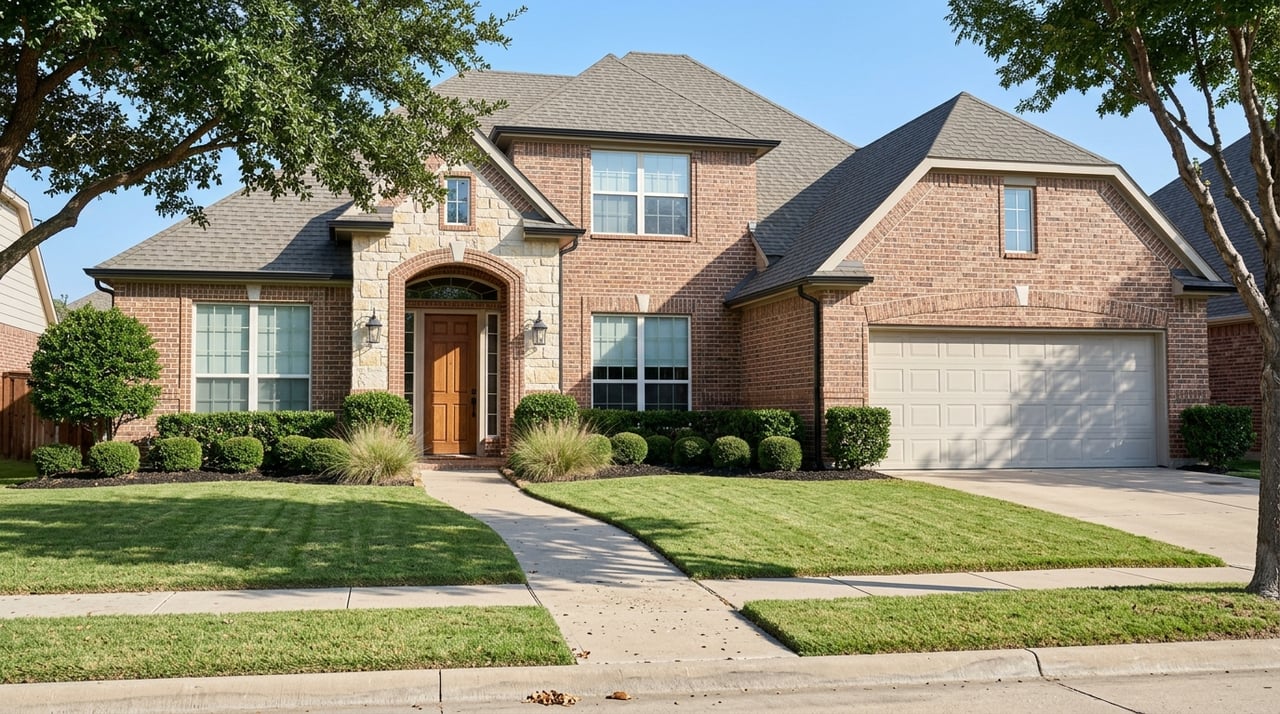
When you start looking at homes in Mansfield, you will find more variety than many buyers expect. The city’s 2040 Future Land Use Plan describes the housing stock as a mix of traditional single-family detached homes, duplexes, townhomes, condominiums, and apartments. That means your search does not have to fit one narrow housing type.
The same city plan counted 24,086 dwellings and notes that local development tracking includes both new single-family or townhome construction and multifamily or lodging properties. In other words, Mansfield is not standing still. It continues to add housing in multiple formats.
That range can be helpful whether you are buying your first home, moving up, downsizing, relocating, or exploring investment property. Some buyers want a detached home with more yard space, while others prioritize lower-maintenance living or newer attached options. Mansfield’s mix gives you room to compare based on your goals.
Census QuickFacts add more context to the local housing profile. Mansfield has a 71.5% owner-occupied housing unit rate, a median owner-occupied home value of $410,700, median monthly mortgage costs of $2,688, and a median gross rent of $1,954. Those numbers point to a market that is primarily owner-occupied while still offering rental options.
The same QuickFacts report an average household size of 3.04 people, and 28.4% of residents are under 18. While every household is different, those figures help explain why many buyers see Mansfield as a place with housing and amenities that support a range of life stages. It is a useful snapshot of how the city functions as a residential market.
A city still growing
Another thing that stands out about Mansfield is that it still feels like a city with room to evolve. One example is the Staybolt Street Entertainment District, which the city says will include 700 new single-family homes alongside hotels, retail, entertainment, and other mixed-use elements. That points to continued residential growth instead of a market that feels fully built out.
For buyers, growth can create more choices over time. For sellers, it can shape how buyers compare resale homes with newer inventory and emerging mixed-use areas. Either way, understanding where development is happening helps you make a more informed decision.
What everyday life in Mansfield feels like
Taken together, Mansfield offers a practical blend of road access, recreation, and housing variety. You have major commuter routes, ongoing transportation improvements, a large park system, connected trails, and a housing mix that includes both detached and attached options. That combination gives the city a well-rounded feel for people who want convenience and activity in the same place.
It also feels like a suburb designed for real life. You can picture weekday commutes on major corridors, weekend stops at parks and trails, time at the MAC, or a visit to downtown public spaces like Geyer Commons. When a city supports both the routine and the fun parts of life, it tends to stand out.
If you are thinking about buying or selling in Mansfield, it helps to work with a team that understands how daily lifestyle factors shape real estate decisions. From pricing strategy to neighborhood fit to evaluating resale versus new construction, The Kinn Team can help you move with clarity and confidence.
FAQs
What is the average commute time in Mansfield, TX?
- The Census Bureau’s 2020-2024 ACS reports a mean travel time to work of 28.6 minutes in Mansfield.
What major roads serve Mansfield, TX?
- Mansfield commuters commonly use US 287, SH 360, FM 157, and FM 1187, according to the city.
What parks and trails are available in Mansfield, TX?
- Mansfield Parks & Recreation says the city maintains more than 1,200 acres of parkland, and the Walnut Creek Linear Trail connects seven parks across the city.
What can you do at Oliver Nature Park in Mansfield, TX?
- Oliver Nature Park is an 80-acre preserve with classes and activities related to science and nature, ecology, fishing, archery, and kayaking.
What types of homes are available in Mansfield, TX?
- Mansfield includes traditional single-family detached homes, duplexes, townhomes, condominiums, apartments, and ongoing new residential development.
Is Mansfield, TX still growing?
- Yes. The city says the Staybolt Street Entertainment District will include 700 new single-family homes along with hotels, retail, entertainment, and mixed-use features.